

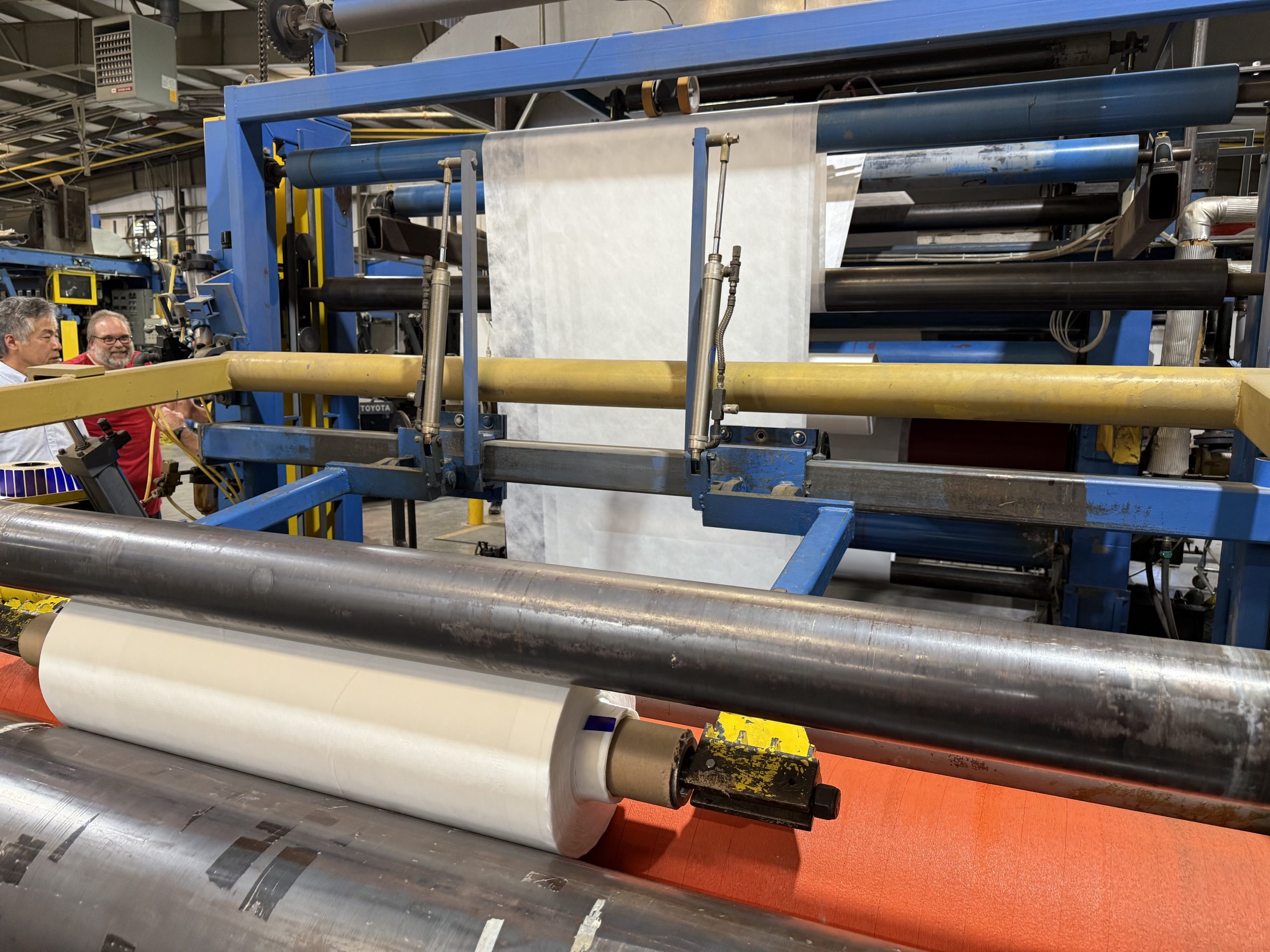
Laminated materials are designed to combine multiple layers into a single structure that delivers enhanced performance. Whether used in packaging, construction, filtration, or industrial applications, laminates are expected to provide strength, durability, and consistency under demanding conditions. However, when material selection or design is not properly aligned with the application, failure can occur. Understanding the most common causes of material failure in laminated products helps manufacturers improve performance and avoid costly issues.
Poor Adhesion Between Layers
One of the most common causes of laminate failure is inadequate bonding between layers. Adhesives must be compatible with each substrate and properly applied to ensure a strong bond. When adhesion is insufficient, layers can separate under stress, leading to delamination. Factors such as surface energy, adhesive selection, and curing conditions all play a role in achieving reliable bonding.
Mismatch in Material Properties
Laminates often combine materials with different characteristics, such as flexibility, thermal expansion, or moisture response. When these properties are not properly matched, the laminate can experience internal stress. Over time, this can lead to warping, curling, or separation as the materials react differently to environmental conditions.
Lack of Reinforcement
In many applications, films or nonwoven materials alone may not provide sufficient strength. Without reinforcement, laminated structures are more susceptible to tearing, puncture, and deformation under load. Reinforcement layers help distribute stress across the material, reducing the likelihood of localized failure and improving overall durability.
Dimensional Instability During Processing
Laminated materials are often subjected to tension during converting processes such as lamination, slitting, and rewinding. Materials that stretch unpredictably or lack dimensional stability can cause misalignment, wrinkles, or defects. These issues not only impact production efficiency but can also compromise the integrity of the final product.
Environmental Exposure
Temperature, humidity, and moisture can all affect laminate performance. Some materials may absorb moisture, expand, or lose strength when exposed to certain conditions. Without proper material selection and design, environmental exposure can accelerate degradation and lead to premature failure.
Improper Material Selection for the Application
Not all laminates are suited for every use case. Selecting materials based solely on cost or availability, rather than performance requirements, can result in failure when the product is exposed to real-world conditions. Understanding the demands of the application is critical when designing a laminate structure.
How Engineered Materials Help Prevent Failure
Preventing laminate failure starts with thoughtful material selection and design. Engineered materials that provide consistent structure, reinforcement, and compatibility with adhesives can significantly improve performance. By focusing on load distribution, dimensional stability, and long-term durability, manufacturers can create laminated products that perform reliably throughout their lifecycle. At ANCI, material development is centered around solving these challenges by designing solutions that integrate strength, consistency, and process compatibility into every layer.
Building More Reliable Laminated Structures
As applications become more demanding, the margin for error in laminate design continues to shrink. Identifying the root causes of failure and addressing them through better material selection and engineering can lead to improved product performance, reduced waste, and more efficient manufacturing. Laminated materials are only as strong as the structure behind them, making thoughtful design and material integration essential for long-term success.